• Skip to primary navigation
  • Skip to main content

Karin Ursula Landscapes

Beautiful garden and landscape design in the Hudson Valley

  • Home
  • Services
    • About Karin
    • Services
  • Projects
  • Press
  • Contact
  • What’s New

Uncategorized

A Stronger Hug for Trees

December 18, 2018 by Karin Edmondson

This year, I decided to create the first ever digital Holiday Card for my business. Numerous headlines about the Paris Climate Agreement and the alarming evidence of natural resource depletion, finally got dire enough for me to examine my own holiday customs. I reached the tipping point. (Thank-you, New York Times Editors!) What can I do through my business in even a small way to stop the cycle of holiday consumerism?

For the last several years, the annual mailing of the holiday card  has been a fun tradition for me – taking photos all year of gardens and my dogs Bella, Arthur and Suzie, then choosing the photos that would make the cut, perusing the Shutterfly card layouts, heading to my local Post Office to purchase holiday stamps and finally, sitting down with a cuppa hot tea and some German Christmas Stollen to write the cards to my friends, clients and suppliers.

This December though, new words started popping up in relation to these cards  – supply chain, carbon footprint, source material, chemical processes.

I hit the internet to do some research.

According to an article in ecology.com:

  • Nearly four billion trees worldwide are harvested each year for paper.
  • The world consumes 300 million tons of paper each year.
  • The United States which accounts for 5% of the world’s population consumes 30% of the paper worldwide.
  • Wood pulp comes from softwood trees: spruce, fir, pine, larch and hemlock.
  • According to the EPA, pulp and paper mills are some of the worst polluters to air and water and land of any industry in the country with millions of pounds of toxic chemicals toluene, methanol, chlorine dioxide, hydrochloric acid and formaldehyde released into the air yearly from worldwide paper plants.

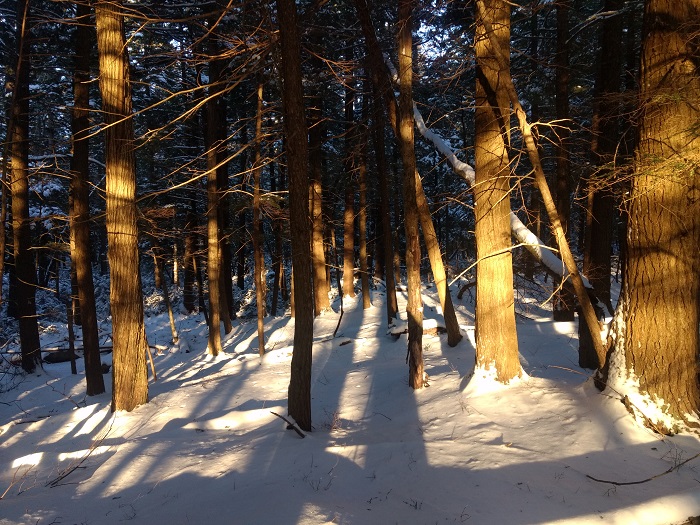
Suddenly, my cheerful holiday card wasn’t looking so merry anymore. Hemlocks (Tsuga canadensis), and recently the American larch (Larix laricina) are two of my favorite trees. While walking my property or hiking Catskills trails, I regularly I hug giant old hemlocks like the ones in the photo above. Sure, my team plants thousands of native plants each year for pollinators and local ecosystems but these statistics on the  paper industry somewhat negated all of that. My holiday cards were dooming hemlocks to be cut down for paper that after it spews pollution forth into our environment most likely gets tossed out at the end of December to enter a landfill. Not a good enough reason to keep on doing the same old thing.

So, after a bit of back and forth – mostly my consumerist Western Self being petulant: I like this tradition, my friends and clients are used to receiving my annual card, it is fun! – I decided to go paperless.

Here’s hoping you all agree. Merry Christmas. Happy Hanukkah. Happy Kwanza. Joyous New Year. Go hug a tree. Better yet, plant one.
Filed Under: Uncategorized

Mountaintop Arboretum featured in Horticulture Magazine

December 6, 2018 by Karin Edmondson

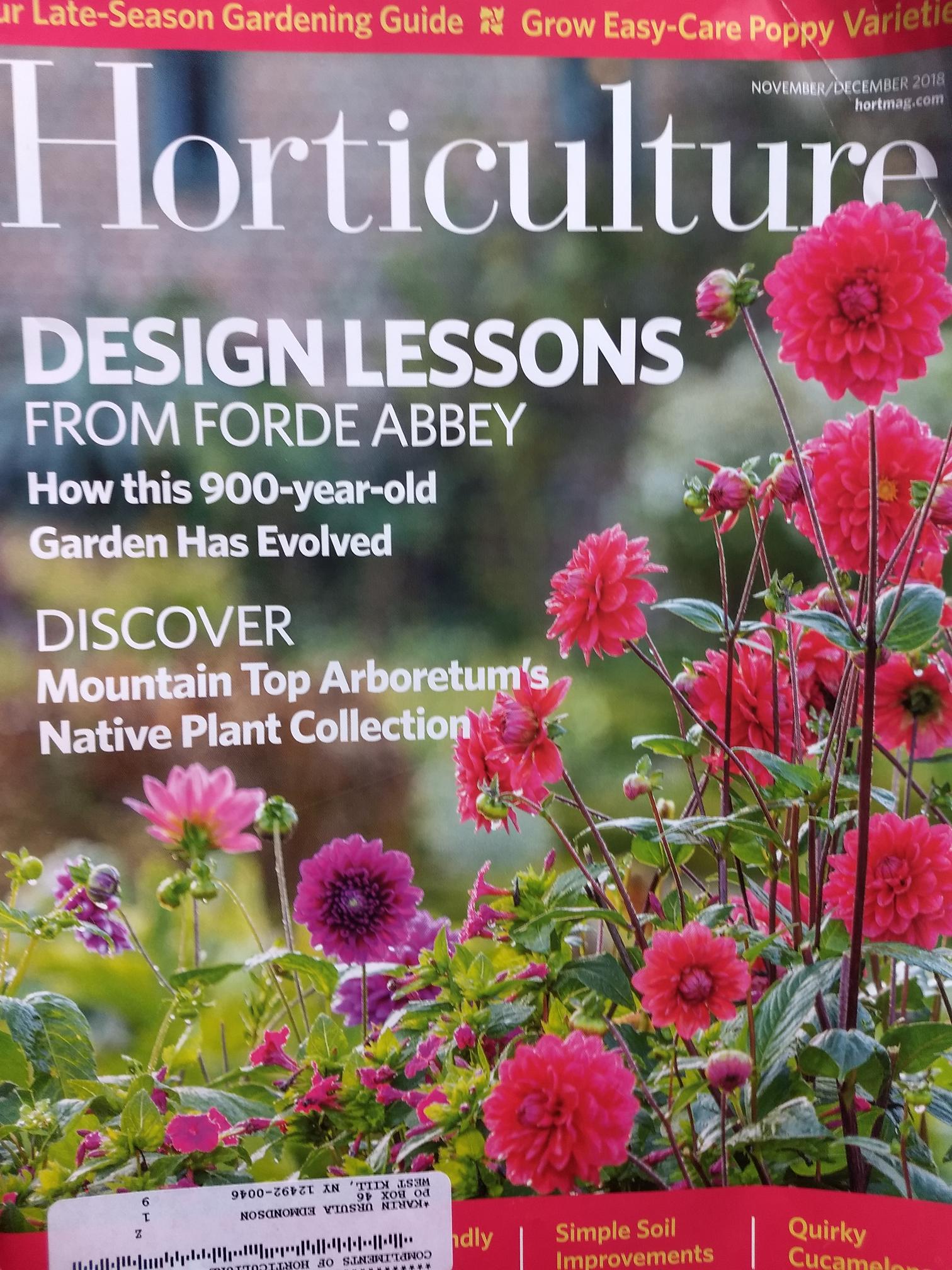
As a complete surprise, the Mountaintop Arboretum article was mentioned on the cover of the November/December issue. Everyone involved in the article – Arboretum Executive Director Marc Wolf, photographer Mark Loete and myself – was surprised at the cover shout-out. Mark Loete’s photos are beautiful. The layout is lovely. The article couldn’t be a better testament to the beauty of the Arboretum. Open from dawn til dusk every day, take the time and make the trip to visit the Arboretum. The issue is out now at select news stands. Also, available to order online at Horticulture.

Filed Under: Uncategorized

Mountain Top Arboretum article submitted to Horticulture!

August 14, 2018 by Karin Edmondson

KULandscapes MTA Spiral Garden
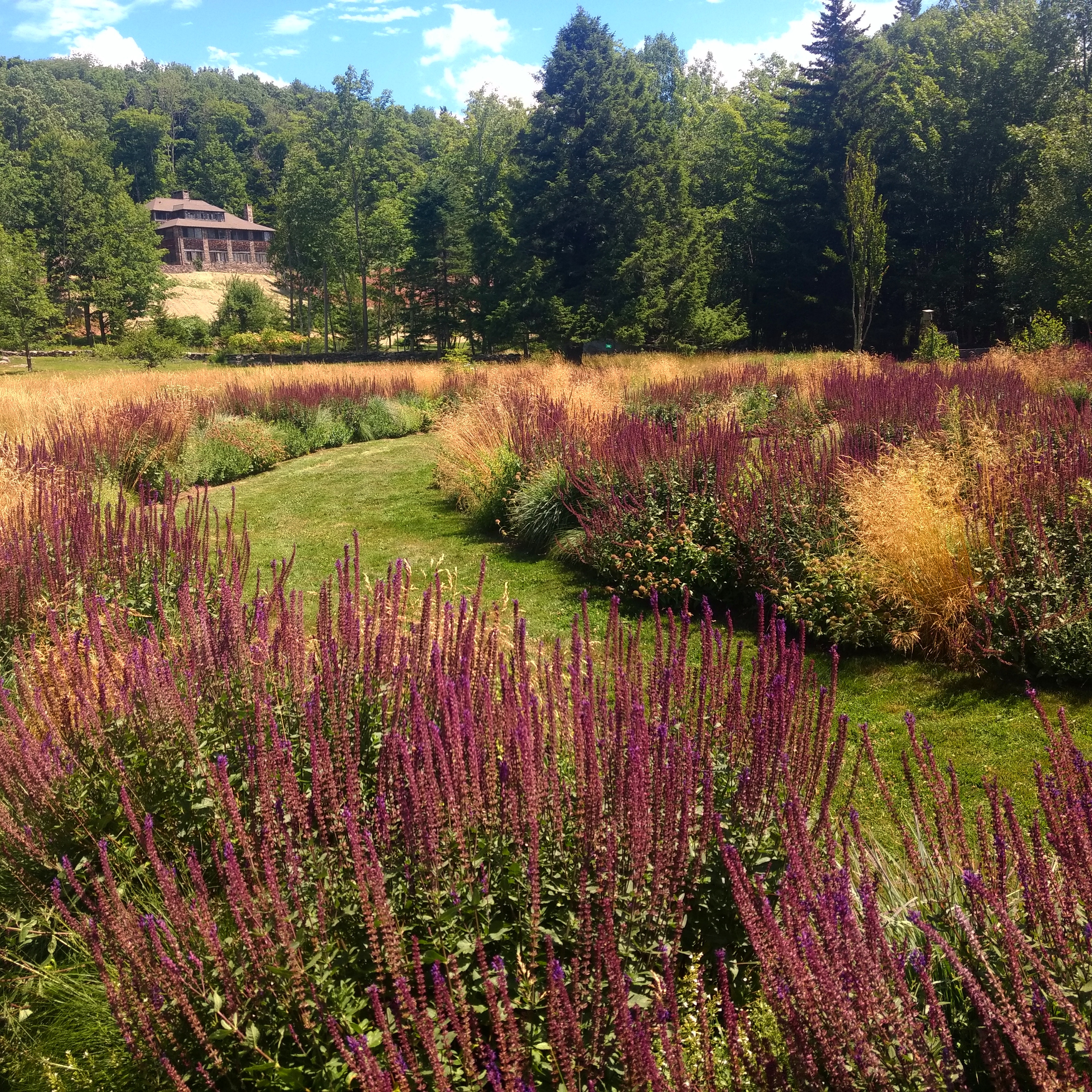
The Spiral Garden in the West Meadow at the Mountain Top Arboretum


After nearly one year’s research work, I recently submitted to Horticulture Magazine the article on the Mountain Top Arboretum. Starting last summer, I visited the Arboretum in all four seasons, collaborating with both Marc Wolf, the Arboretum’s Executive Director and with photographer Mark Loete. The Arboretum is stunning in winter, spring, summer and fall. The article will run in the January/February 2019 issue of Horticulture Magazine. Check it out then but if you are local to the Catskill Mountains, take the time to visit before hand. #lovewhatyoudig

Filed Under: Uncategorized

My article in Horticulture Magazine!

June 26, 2018 by Karin Edmondson

Ten years ago when I met Mel Bellar, we became fast friends over our love of gardens and gardening. With several more years experience and a fearless try anything attitude, Mel also became my Garden Hero. On my first pruning job — an overgrown smokebush (Cotina coggygria) in Windham, I called him for advice and an impromptu pep talk. I was terrified of cutting too much off or killing the poor shrub — grown over the years into a lopsided tree. Mel assured me I couldn’t kill it, that smokebushes take kindly to hard pruning. In the end, I opted for a little less than a hard prune and hoped for the best. (It is still standing in the Windham garden today.)

Garden of Mel Bellar
This photo of Mel’s garden appeared in the article. A masterful profusion of color and texture!

Mel’s personal garden in Andes was always a source of inspiration, wonder and awe — the plant layers, curving paths leading to hidden seating areas, nuances of varying hardscapes, sweet little personal details and tall Alice in Wonderland plants that enveloped me. His garden was a total immersion in an experience of textures, flowers, scents, secret places. Similar to when, as a child, I lost myself in woodlands or meadows and my feet were on this earth but my sense of experience was blissfully in nature and not in the mundane adult world of jobs, bills, politics and now —  environmental and humanitarian horror.

In recent years, I started contributing articles to Horticulture magazine and when the editor put out an open call for submissions — I pitched a profile of Mel’s garden in Andes. My pitch was accepted! Surprising Mel with the news and hearing his disbelief and happiness was one of the best feelings. Even better was to open my mailbox and see the article and Mark Loete’s photographs (markloetephotography.com ) in print for the whole gardening nation to see. Being able to give Mel national recognition for his horticultural  passion and expertise has been one of the great pleasures of my own career as a garden designer and writer.

Read the article in the July/August issue! horticulture_july2018

#lovewhatyoudig

Filed Under: Uncategorized

Hardy plants for spring in the Catskills

May 8, 2018 by Karin Edmondson

Snow in April this year. As winter finally recedes, spring is time to think about a handful of the hardiest of the hardy garden plants that will stand up to wonky upstate spring seasons. When nature dishes out snow and hard freezes, these perennials can take it in stride.

You want tough plants that look beautiful in your garden?

Get chives, iris, bee balm, daylilies, and sedums.

Every single one of these perennials emerged in Zones 4 and 5 before the snow, and were unfazed by the cold temps and blustery winds.

Chives

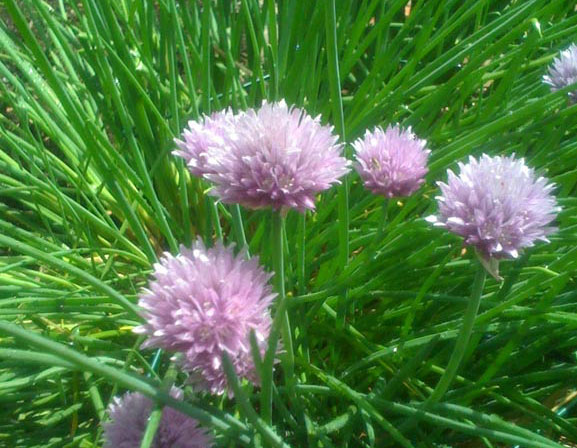
Chives (Allium schoenoprasum) laugh at snow when they start to emerge in February. Check it out for yourself. In the fall, leave the plant to brown and die back. The dead foliage helps to overwinter the plant and protect it. In mid-February, peel back the brown to witness the new young green shoots coming up. In our region, the round purple flowers bloom in May, adding really early color to your garden. Plus, they do double duty as critter repellants when inter-planted and you, the human, can snip some for your eggless Sunday morning scrambles.

Iris

KULandscapes purple iris

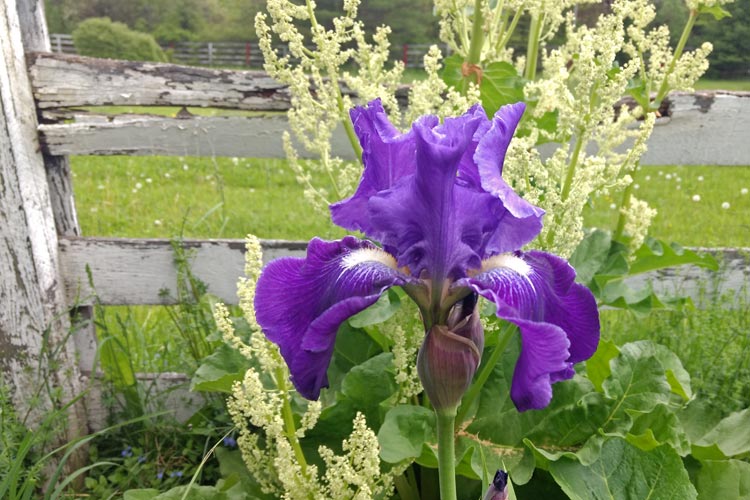
Iris germanica and iris versicolor come up early. Bearded iris have the gray, sword like foliage that deer dislike. The foliage of native iris versicolor also resembles a sword but is taller and thinner. Both of these plants enjoy full sun to part shade. Provide Iris versicolor with consistent moisture. This guy can also handle the margins of a pond, submerged from one to three inches of water.

Bee Balm

KULandscapes red bee balm

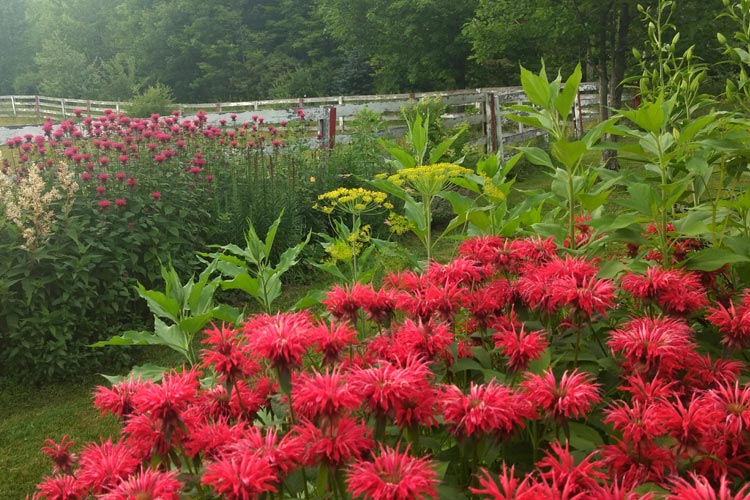
You’ll notice the rosettes of bee balm (Monarda) leaves laying low to the ground almost as early as chives. A member of the mint family (notice the square stems), bee balm can take cold like a champ. It will also run freely through garden beds, so once you buy a plant, you will never, ever have to purchase another. Better yet, ask a friend who gardens to dig you up some bee balm for free. Most gardeners have an overabundance of bee balm and are happy to share. Some favorite bee balms are the native scarlet bee balm (Monarda didyma ‘Jacob Cline’), purple wild bergamot (Monarda fistulosa) and the cultivar ‘Raspberry Wine’.

Daylilies

close up of day lilies

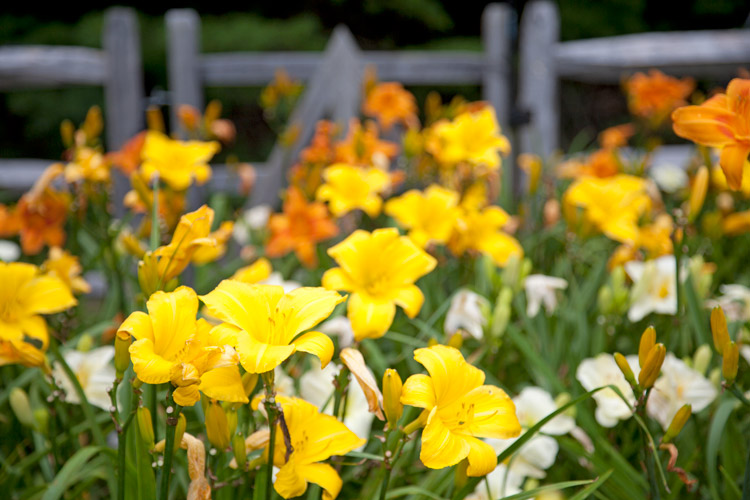
Daylilies (Hemerocallis) come in a wide variety of colors. Full sun and pretty consistent moisture is best but – these perennials will thrive just about anywhere except shade. I’ve seen the common orange one planted roadside and despite year after year of heavy salting, come up and be sprightly and beautiful. Not native but very reliable as an accent or swath and for tough areas like roadsides and driveways.

Sedums

KULandscapes sedum and rocks
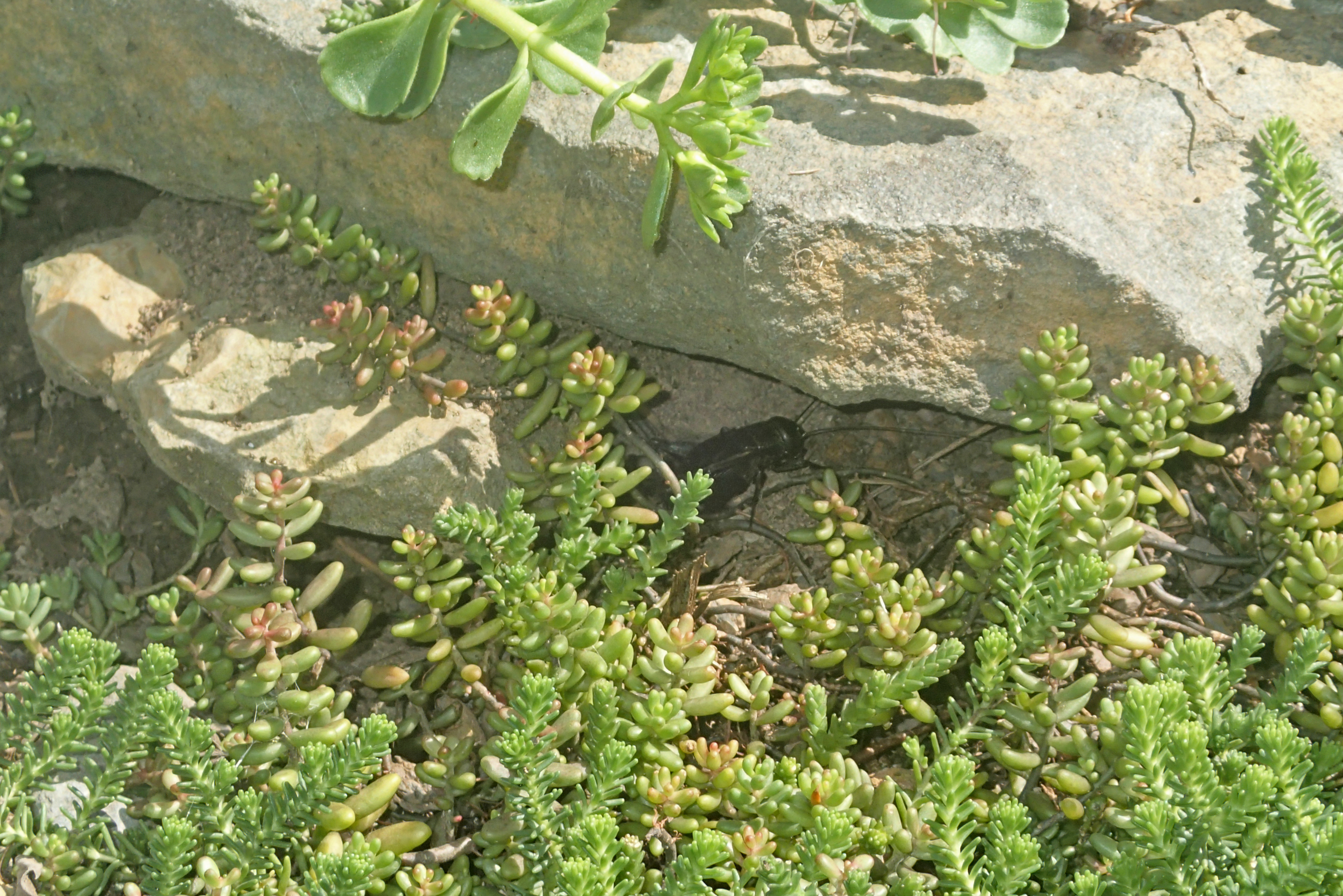
Sedums emerge early and are undaunted by cold or snow. Full sun. Can handle drier soils. The one found in most gardens is ‘Autumn Fire’ stonecrop. The plant really does its thing in late summer and early autumn, one last shot of color in the garden, but even before it blooms, the bulk and lime-y green of its stems and ripening cabbage-like flower heads offer lush structure to any perennial garden.

Having these plants nearby helps alleviate the pain of spring forestalled. If they can do it, so can you!

Filed Under: Uncategorized

  • « Go to Previous Page
  • Page 1
  • Page 2
  • Page 3

Member of the Ecological Landscape Alliance

917-974-9883     karin@KULandscapes.com


© 2020 Karin Ursula Edmondson.  All Rights Reserved.

Design by Stephanie Blackman Design  |  Photography by Mark Loete Photography